Dramatic Tension & Suspense – Decoded
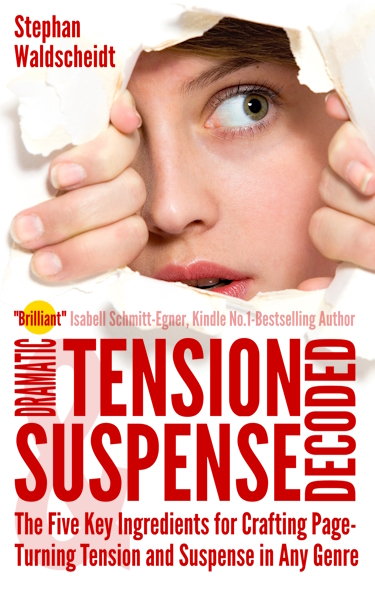
Look Inside & Get the Book on Amazon
Dramatic tension is what keeps readers on the edge of their seats, eagerly turning the page. It’s the
driving force that gives a story its energy, and without it, even the most interesting plot can fall flat.
Creating dramatic tension involves balancing conflict, stakes, and
emotional depth.
Key Elements of Dramatic Tension
- Conflict: The backbone of any story. This can be external (e.g., protagonist vs. antagonist) or internal (e.g., protagonist vs. self).
- Stakes: What’s at risk? The higher the stakes, the more intense the tension.
- Uncertainty: Keep your readers guessing. Will the hero succeed or fail?
- Emotion: Characters need to feel deeply for readers to feel invested.
To create tension, remember that every scene should have a goal, an obstacle, and a consequence if the goal is not met. The key is to maintain a sense of
uncertainty—never let the reader feel too comfortable about the outcome.
Tips for Building Tension
- Introduce obstacles that the protagonist must overcome.
- Use time pressure—deadlines make everything more urgent.
- Alternate between moments of high tension and moments of calm to give readers a chance to breathe.